
What is PTSD and Why Might Your Friend Be Refusing Help?
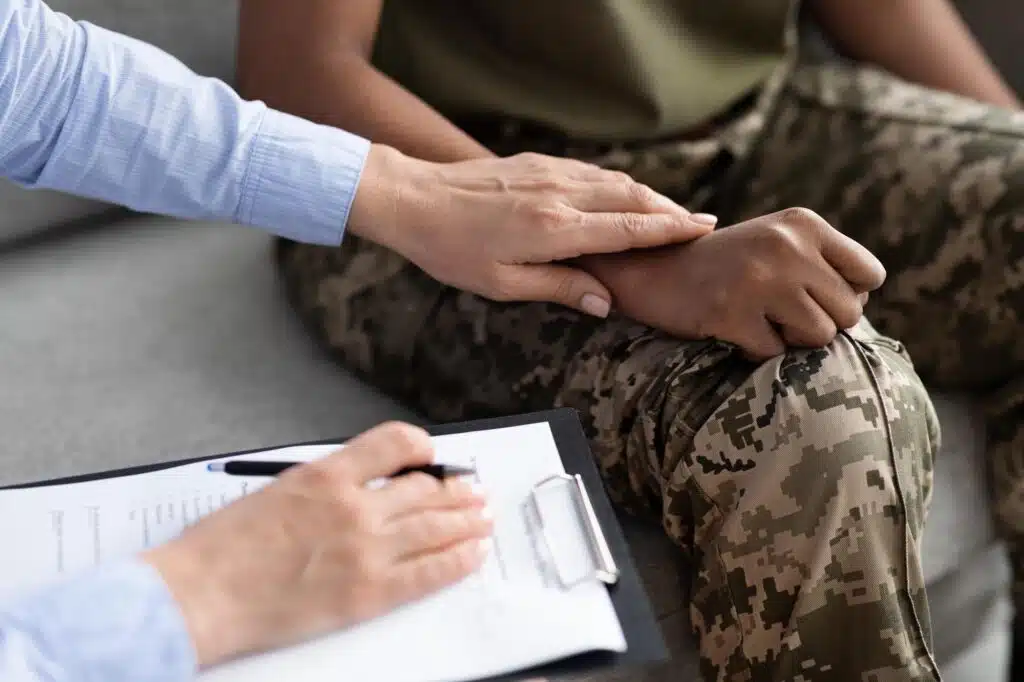
Post-Traumatic Stress Disorder (PTSD) develops after experiencing or witnessing a traumatic event—whether combat exposure, assault, accidents, or other life-threatening situations. This condition reshapes how the brain processes danger and safety, leaving individuals trapped in a cycle of reliving their trauma through intrusive memories, nightmares, and heightened stress responses. The ripple effects extend beyond the person suffering, profoundly impacting relationships with family members, friends, and the broader community.
Common symptoms that may signal your friend is struggling include:
- Persistent social withdrawal and isolation from previously enjoyed activities
- Intense anxiety and hypervigilance, constantly scanning for threats
- Depression marked by hopelessness or emotional numbness
- Irritability and angry outbursts that seem disproportionate to situations
- Sleep disturbances and concentration difficulties
When someone refuses help, they’re often battling internal barriers like shame, fear of judgment, or the belief that they should handle things independently. Many individuals with PTSD minimize their symptoms or worry that seeking treatment means admitting weakness. This resistance becomes particularly concerning because untreated PTSD rarely improves on its own. Without intervention, symptoms typically intensify and can lead to co-occurring disorders such as substance use as a means of self-medication, or escalate to suicidal ideation. Early support creates the foundation for recovery and prevents these devastating complications.
How Can You Educate Yourself to Better Support Your Friend with PTSD?

Knowledge becomes your most valuable tool when supporting someone navigating PTSD. Understanding the clinical realities of this condition helps you respond with informed compassion rather than well-meaning but potentially harmful assumptions.
Key areas to explore include:
- Physiological symptoms: PTSD fundamentally alters the nervous system, keeping it in a state of hyperarousal. Your friend’s body may remain in “fight or flight” mode long after the traumatic event has passed. This explains seemingly disproportionate reactions to everyday situations—a car backfiring might trigger a full panic attack because their nervous system interprets it as immediate danger.
- Trauma’s behavioral impact: The origin of trauma shapes how it manifests. Combat veterans may struggle differently than survivors of assault or childhood abuse. Each person’s trauma history creates unique behavioral patterns, from specific avoidance behaviors to particular emotional triggers.
- Evidence-based treatment pathways: Familiarize yourself with proven approaches like Cognitive Processing Therapy (CPT), Eye Movement Desensitization and Reprocessing (EMDR), and trauma-focused cognitive behavioral therapy. Understanding that medications like SSRIs can help regulate mood and sleep provides realistic expectations about recovery timelines.
This education dismantles common misconceptions—that people with PTSD are “damaged” or that they should simply “move on.” Armed with accurate information, you can offer support grounded in clinical reality while maintaining the empathy your friend desperately needs.
If their refusal to get help is putting their life—or yours—at risk, professional guidance is non-negotiable. Reach out to our San Antonio team to learn how to bridge the gap between resistance and recovery.
What Are Effective Ways to Offer Support Without Pushing or Judging Your Friend with PTSD?
Supporting someone with PTSD requires a delicate balance between showing you care and respecting their boundaries. Your approach can significantly influence whether your friend feels safe enough to eventually seek help.
1. Practice active listening
Give your full attention when your friend chooses to share. This means putting away distractions, maintaining appropriate eye contact, and reflecting back what you hear without immediately offering solutions. Sometimes people need to be heard rather than fixed.
2. Honor their timeline
Never pressure your friend to share details they’re not ready to discuss. Some individuals may never feel comfortable revealing specific trauma details, and that’s their right. Your support doesn’t depend on knowing every detail of what happened.
3. Maintain consistent availability
Let your friend know you’re there whenever they need you, but don’t take it personally if they decline invitations or need space. Send occasional check-in messages that don’t require lengthy responses—a simple “thinking of you” can mean everything.
4. Notice patterns of isolation
If your friend consistently cancels plans or stops participating in activities they once enjoyed, gently suggest low-pressure activities. A quiet walk or watching a movie together can provide connection without overwhelming someone experiencing PTSD symptoms.
How Do You Rebuild Trust and Create a Safe Environment for Your Friend with PTSD?
Trust is essential for providing meaningful support to someone living with PTSD. Your friend may have experienced deep betrayal or harm, making it challenging for them to depend on others. Building this trust requires deliberate and consistent actions that show you can be relied upon.
1. Show up consistently
Make an effort to be there for your friend regularly, even in small ways. Send them texts, make phone calls, or plan brief visits to check in on them. This will create a sense of predictability and stability in their life. When you promise to be present, make sure you follow through on that commitment. Being dependable can help counteract the unpredictability that often comes with trauma.
2. Create emotional safety
It’s important to respond calmly and without judgment when your friend is in distress. This will help create a safe space for them to express their emotions without fear of criticism or dismissal. Avoid downplaying their experiences or offering quick solutions that imply their feelings are problems to be fixed rather than valid reactions to trauma.
3. Minimize environmental stressors
Be mindful of the shared spaces you spend time in together. Sudden loud noises, crowded places, or chaotic environments can trigger flashbacks or panic attacks for your friend. When planning activities, choose quieter venues where they can easily leave if needed. If your friend is comfortable sharing, ask them about specific triggers and make sure to respect those boundaries without pressuring them to provide detailed explanations.
4. Maintain predictable routines
Try to establish consistency in your interactions with your friend. Set regular meeting times, stick to certain communication patterns, and engage in activities that are familiar to both of you. This sense of stability can help ground your friend when their internal world feels chaotic.
5. Communicate your commitment
Make it clear through both words and actions that you are committed to supporting your friend no matter what. Simple statements like “I’m here for you, no matter what” or “Take all the time you need” can reinforce that your support is not dependent on their progress or recovery timeline.
You Might Also Enjoy: Veteran Rehab Programs in San Antonio: Deciding Between Inpatient and Outpatient Care
How Can You Help Manage Triggers and Respond Effectively During Crisis Moments
Understanding your friend’s specific triggers is a critical step in providing meaningful support. PTSD triggers vary widely between individuals—a particular scent might transport someone back to a traumatic event, while sudden loud noises or crowded spaces might overwhelm another person’s nervous system. Pay attention to patterns in your friend’s reactions and ask directly, when they’re calm, what situations tend to provoke distress. This collaborative approach respects their expertise about their own experience.
Working together to develop coping strategies creates a shared toolkit for difficult moments:
- Practice grounding techniques like the 5-4-3-2-1 method (identifying five things you see, four you can touch, three you hear, two you smell, one you taste)
- Establish a signal system that allows your friend to communicate distress without words
- Create a comfort plan that includes calming activities, safe spaces, or trusted contacts
- Keep emergency numbers readily accessible, including crisis hotlines and their treatment provider
Some situations demand immediate professional intervention. If your friend expresses suicidal thoughts, plans for self-harm, or exhibits violent behavior, contact emergency services without hesitation. During acute panic attacks or flashbacks, stay present and calm. Speak in a steady, reassuring voice and remind them where they are. Never leave someone alone during a crisis—your physical presence provides an anchor to safety even when words feel inadequate.
What Are Compassionate Ways to Encourage Professional Help Without Alienating Your Friend with PTSD?
Approaching the topic of professional treatment requires sensitivity and strategic timing. Rather than presenting therapy as a demand, frame it as an opportunity for your friend to regain control over their life. Share specific benefits you’ve observed others experience—reduced nightmares, improved sleep quality, better relationships, or the ability to return to activities they once enjoyed. These concrete examples make treatment feel less abstract and more attainable.
Many individuals with PTSD harbor misconceptions about seeking help. They may fear being labeled “weak” or worry that therapy means reliving traumatic memories repeatedly. Address these concerns directly by explaining how modern trauma-informed approaches work with the person’s comfort level. If your friend struggles with substance use alongside PTSD, introduce the concept of dual diagnosis treatment, which addresses both conditions simultaneously rather than treating them as separate issues.
Practical support often speaks louder than words:
- Offer to research therapists who specialize in PTSD treatment in your area
- Volunteer to drive them to their first appointment
- Help them prepare questions to ask potential providers
- Connect them with peer support groups where they can hear recovery stories from others
The key lies in maintaining steady, gentle encouragement without creating ultimatums. Check in periodically about their wellbeing, express your continued availability, and remind them that seeking help represents strength rather than surrender.
How Can You Practice Self-Care While Supporting a Friend with PTSD?
Supporting someone with PTSD requires emotional energy and resilience that can only be sustained when you attend to your own needs. Your capacity to help depends directly on maintaining your physical and mental health.
Essential self-care practices include:
- Sleep hygiene – Maintaining consistent sleep schedules helps regulate your nervous system and emotional responses
- Nutrition – Regular, balanced meals provide the energy needed for sustained support
- Exercise – Physical activity reduces stress hormones and improves mood regulation
- Hobbies and interests – Engaging in activities you enjoy prevents identity loss in the caregiver role
- Social connections – Maintaining relationships outside the caregiving dynamic provides perspective and emotional replenishment
Seeking your own support networks becomes necessary when the weight of supporting someone with PTSD feels overwhelming. This might include joining caregiver support groups, talking with trusted friends who understand your situation, or working with a therapist who can help you process the secondary trauma that often affects those close to someone with PTSD.
Recognize these caregiver burnout signs:
- Persistent exhaustion despite adequate rest
- Increased irritability or emotional reactivity
- Withdrawal from activities you once enjoyed
- Physical symptoms like headaches or digestive issues
- Feelings of resentment toward your friend
Acknowledging these warning signs early allows you to adjust your support approach before reaching a breaking point, ensuring you can remain a steady presence in your friend’s recovery journey.
You Might Also Enjoy: Veteran Rehab Programs in San Antonio: Deciding Between Inpatient and Outpatient Care
Where Can You Find Professional Help for Your Friend With PTSD in San Antonio?
When your friend is ready to take the next step toward healing, finding the right treatment center can make all the difference. The New Choices Treatment Center in San Antonio offers specialized care designed specifically for individuals navigating PTSD alongside substance use disorders.
As a veteran-owned facility, we understand the unique challenges that trauma survivors face—particularly those who have served our country. Our team provides comprehensive dual diagnosis treatment that addresses both mental health conditions and addiction through trauma-informed, evidence-based approaches. We recognize that PTSD often coexists with substance use as individuals attempt to self-medicate their symptoms, which is why our integrated treatment model targets both conditions simultaneously.
Early intervention matters. Reaching out before symptoms escalate into crisis situations—whether that’s severe depression, suicidal ideation, or dangerous substance use—significantly improves treatment outcomes. Our continuum of care includes medical detox, residential treatment, Partial Hospitalization (PHP), Intensive Outpatient (IOP), and aftercare programs, allowing us to meet your friend wherever they are in their recovery journey.
We invite you to connect with our compassionate team for a personalized assessment. Whether you’re seeking information, exploring treatment options such as our Active in Recovery services designed for long-term wellness, or ready to begin the admission process, we’re here to support both you and your loved one. Contact New Choices Treatment Center today to discuss how our trauma-informed care can provide the foundation for lasting recovery and renewed hope.
FAQs (Frequently Asked Questions)
What is PTSD and why might my friend refuse help?
Post-Traumatic Stress Disorder (PTSD) is a mental health condition triggered by experiencing or witnessing traumatic events. It impacts individuals and their loved ones through symptoms like social withdrawal, anxiety, depression, and irritability. Friends may refuse treatment due to stigma, fear, or misunderstanding the condition. Early intervention is crucial to prevent worsening symptoms or co-occurring disorders such as addiction or suicidal thoughts.
How can I educate myself to better support a friend with PTSD?
Educating yourself about PTSD involves understanding its symptoms—including panic attacks and nervous system hyperarousal—and learning about the trauma origins that affect behavior. Familiarize yourself with evidence-based treatments like therapy and medication. This knowledge empowers you to provide compassionate, non-judgmental support while avoiding misconceptions.
What are effective ways to offer support without pushing or judging my friend with PTSD?
Effective support includes being a compassionate listener without giving unsolicited advice, respecting your friend’s privacy and pace in discussing trauma, avoiding pressure while staying available, and gently encouraging engagement when noticing signs of social withdrawal. Maintaining patience and empathy fosters trust and comfort.
How do I rebuild trust and create a safe environment for my friend with PTSD?
Rebuild trust by establishing dependability through consistent presence and emotional safety. Minimize stressors that might trigger flashbacks or panic attacks, maintain routines to provide stability, and communicate patience along with unconditional support. These steps reinforce a secure environment conducive to healing.
How can I help manage triggers and respond effectively during crisis moments?
Identify common triggers such as specific sights, sounds, or smells that provoke distress. Collaborate on coping strategies to handle flashbacks and panic attacks. Recognize when professional emergency intervention is necessary—especially if there is suicidal risk or violence—and prioritize safety by not leaving your friend alone during crises.
What compassionate ways exist to encourage professional help without alienating my friend with PTSD?
Gently discuss the benefits of therapy focused on symptom control and improving independence. Address fears or misconceptions about treatment options, including dual diagnosis approaches for co-occurring substance use or psychiatric disorders. Offer practical assistance like accompanying them to appointments or finding local support groups, emphasizing ongoing encouragement rather than pressure.
You can’t force them to heal, but you don’t have to watch them suffer in silence. Contact New Choices Treatment Centers today to speak with an admissions specialist about intervention strategies and family support options.
Disclaimer: The information provided in this blog is for informational purposes only and is not intended as medical advice, diagnosis, or treatment. Always seek the advice of your physician or a qualified healthcare provider with any questions you may have regarding a medical condition or treatment plan. Never disregard professional medical advice or delay in seeking care because of something you have read on this website. New Choices Treatment Center does not provide medical services directly through its website. If you are experiencing a medical emergency, please call 911 or seek immediate medical attention.