
Trauma looks different in military and veteran communities. It doesn’t always look like a flashback or a panic attack. It can show up as constant exhaustion from scanning the room, explosive anger over small things, or a numbness that makes it impossible to connect with your spouse or kids. If you are a veteran in San Antonio considering private trauma treatment, you deserve clear options, respectful care, and a plan that helps you feel safe in your own skin again.
At New Choices Treatment Center (NCTC), we are a veteran-owned, clinically based program in San Antonio. We specialize in substance use disorders and co-occurring mental health conditions, including Post-Traumatic Stress Disorder (PTSD) and moral injury. Many veterans who reach out to us are not just dealing with the memories of service, but also alcohol or drug use that has become a way to silence the noise.
We take a dual diagnosis approach because true healing is rarely possible when you only treat the addiction or the trauma in isolation. They are deeply intertwined.
What does “private trauma treatment” mean for veterans in San Antonio?
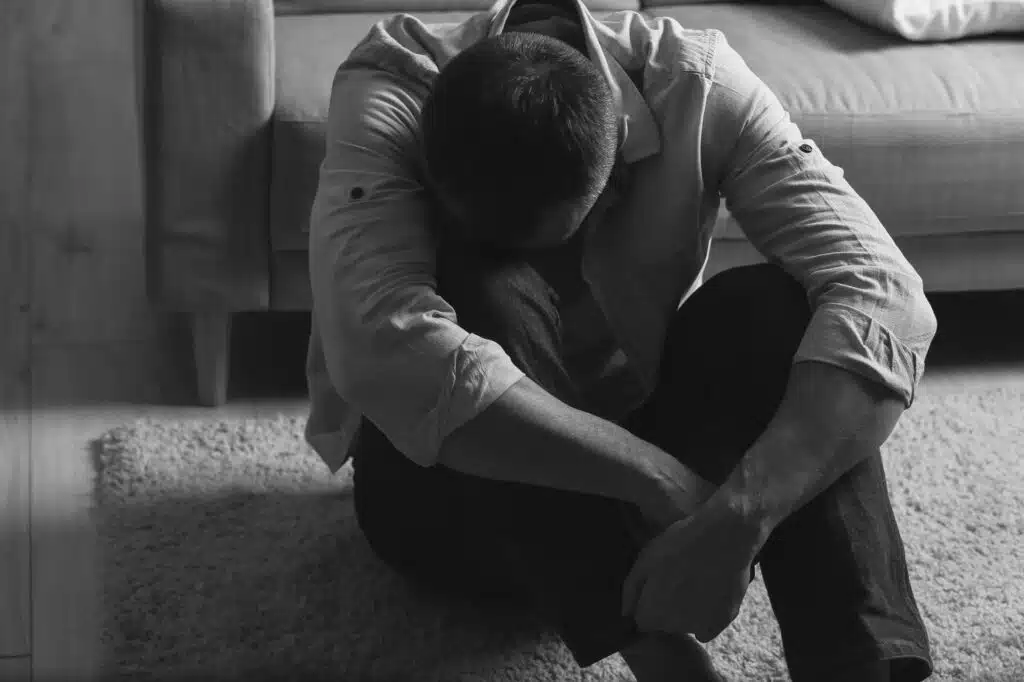
Private trauma treatment generally means receiving care outside of public systems (like the VA), with a focus on confidentiality, timely access, and a personalized plan that addresses the root causes of your pain.
For many veterans, private care at NCTC offers:
- Confidential care with strict boundaries around privacy.
- Faster access to assessment, therapy, and psychiatric support without long waitlists.
- Customized planning instead of a standardized protocol.
- Continuity so you build trust with one team rather than retelling your story to new providers constantly.
- Trauma-informed environments designed to reduce triggers and increase safety.
At NCTC, we treat trauma as a primary clinical focus, especially when it occurs alongside substance use. This matters because PTSD symptoms often spike when alcohol or drugs are removed, and substance use is often the only tool a veteran has to manage the trauma symptoms. We help you build new tools.
What are the signs of PTSD in veterans that should prompt treatment now?
Some veterans wait because they think their experience “wasn’t that bad” compared to others, or they assume living in “survival mode” is just permanent. If symptoms are keeping you from living a full life, it is time to get support.
Common intrusive and avoidance symptoms include:
- Flashbacks, nightmares, or distress at reminders of the trauma.
- Avoiding crowds, driving, specific places, or thoughts about the event.
- Feeling physically sick or panicked when reminded of the past.
Changes in reactivity and mood often include:
- Hypervigilance (constantly scanning for danger, sitting with back to the wall).
- Exaggerated startle response or feeling “jumpy.”
- Irritability, aggressive outbursts, or severe anxiety.
- Persistent negative beliefs (e.g., “The world is dangerous,” “I am broken”).
- Emotional numbness or inability to feel positive emotions.
Veteran-specific factors can intensify trauma, including:
- Moral Injury: The deep psychological distress from actions (or lack of action) that violated your moral code.
- Transition Stress: The loss of the “tribe” and purpose after leaving service.
- Chronic Pain: Physical injuries that serve as constant reminders of the trauma.
If any of the following are happening, it is time to get help immediately:
- Thoughts of suicide, self-harm, or feeling like your family would be “better off without you.”
- You cannot function at work or trust yourself around your family due to anger.
- Substance use is escalating to blackout levels or feels out of control.
If you are in immediate danger, call 911, go to the nearest emergency room, or contact the 988 Suicide & Crisis Lifeline (dial 988 and press 1 for Veterans).
Why do Trauma and Substance Use often show up together?
PTSD and substance use reinforce each other in a vicious cycle, often called “Self-Medicating.”
- Trauma creates high arousal: You feel anxious, on edge, or unable to sleep due to nightmares.
- Substances provide temporary escape: Alcohol or drugs force the nervous system to slow down, numbing the memories or knocking you out for sleep.
- The Rebound: As substances wear off, the brain’s “fight or flight” system spikes even higher (rebound anxiety), making the PTSD symptoms worse than before.
- The Trap: You need more of the substance to get the same relief, leading to addiction.
When only the addiction is treated, the trauma memories come flooding back, leading to relapse. When only the trauma is treated, the patient may be too intoxicated or unstable to process the therapy. That is why, at NCTC, dual diagnosis care is the standard. We treat the nervous system, the addiction, and the psychological injury simultaneously.
What private trauma treatment options are available for vets in San Antonio?
Private treatment options fall into a continuum. At NCTC, you can step up when symptoms are unmanageable and step down as you regain stability.
- Medical Detox: Safely managing withdrawal (crucial for trauma patients, as withdrawal often mimics panic attacks).
- Residential Inpatient: 24/7 care in a safe, structured environment.
- Partial Hospitalization Program (PHP): Full-day treatment while living at home or in sober living.
- Intensive Outpatient Program (IOP): Flexible treatment while returning to work or family life.
- Outpatient & Aftercare: Maintenance therapy and support.
When should a veteran consider Residential Inpatient for Trauma?
Residential inpatient care offers 24/7 support. For trauma survivors, the environment is therapy. If you do not feel safe in your own home, or if your home environment is full of triggers, residential care provides a “hard reset” for your nervous system.
Residential treatment is often best when:
- You are experiencing frequent flashbacks or dissociation.
- You are at risk of relapse or self-harm.
- You need to be removed from daily stressors to focus entirely on stabilization.
At NCTC, our residential program is designed to be a sanctuary. We understand veteran culture—we know that trust is earned, not given.
What role does Medical Detox play?
Detox is vital when physical dependence on alcohol, benzos, or opioids is present. For a veteran with PTSD, withdrawal can be terrifying. It causes heart palpitations, sweating, and panic—symptoms that feel exactly like a trauma trigger.
We provide medical supervision to keep the body calm so the mind can eventually engage in therapy. You cannot process trauma while you are in acute withdrawal.
How does Trauma-Informed Care work in private treatment?
Trauma-Informed Care (TIC) shifts the question from “What is wrong with you?” to “What happened to you?”
In our programs, TIC means:
- Safety First: We avoid aggressive confrontation. We prioritize creating a space where you feel physical and psychological safety.
- Pacing: We do not force you to “tell your story” before you are ready. Retraumatization happens when you dive too deep too fast.
- Regulation Skills: We teach you how to calm your nervous system (grounding) before we ask you to process painful memories.
What evidence-based therapies help Veteran Trauma?
We use therapies that help rewire the brain’s response to fear.
- CBT for Trauma: Helps identify the “stuck points” or beliefs caused by trauma (e.g., “I am responsible for my friend’s death,” “Nowhere is safe”). We work to challenge these beliefs so they don’t control your life.
- Group Therapy & Peer Support: Trauma isolates you; the platoon heals you. Being in a room with other veterans who get it without you having to explain is one of the most powerful parts of recovery.
- Family Work: Trauma impacts the whole family. We offer support to help spouses and children understand PTSD and rebuild trust.
How can veterans choose the right private trauma program?
Questions to ask any provider:
- Is your staff trained specifically in Trauma-Informed Care?
- Do you have experience with Moral Injury and combat-related stress?
- Can you manage dual diagnosis (detox and therapy) under one roof?
- Do you offer a continuum of care so I’m not abandoned after 30 days?
Red flags: Programs that promise a “cure” for PTSD, programs that force you to confront trauma immediately without stabilization, or programs that separate addiction treatment from mental health care entirely.
How to Start Treatment at New Choices Treatment Center
If you are a veteran in San Antonio dealing with the weight of trauma, you do not have to carry it alone anymore. You have served others; now let us serve you.
At New Choices Treatment Center, we specialize in helping veterans navigate the complex road of PTSD and substance use. Our veteran-owned perspective ensures you are treated with the dignity and understanding you deserve.
Active in Recovery (AIR): Healing Trauma Through Movement
Trauma is not just stored in the mind; it is stored in the body. For many veterans, “talk therapy” can sometimes feel stuck or overwhelming. That is why New Choices Treatment Center integrates our signature Active in Recovery (AIR) program into both our inpatient and outpatient tracks.
AIR is more than just a workout. It is a specialized approach that uses movement and exercise to support neuro-regeneration—actually helping to repair the brain pathways damaged by long-term stress and substance use.
How AIR Supports Veteran Trauma Recovery:
- Rebuilding the Squad: Isolation is a major symptom of PTSD. AIR is team-based, creating a culture of interdependency and connectedness. It mimics the camaraderie of a unit, replacing the “lone wolf” mentality with a supportive recovery community.
- Action-Oriented Therapy: We blend physical challenges with clinical modalities like Cognitive Behavioral Therapy (CBT) and Acceptance and Commitment Therapy (ACT). This allows you to practice managing stress and frustration in real-time, rather than just talking about it in a chair.
- Physical Resilience: Regular engagement in AIR helps lower cortisol (stress hormones), improve sleep, and reduce symptoms of anxiety and depression naturally.
Scalable for Service-Connected Injuries We know many veterans manage chronic pain or physical injuries from service. The AIR program is fully scalable. Whether you are dealing with limited mobility or looking for a high-intensity challenge, our team meets you where you are. The goal is not to compete, but to reconnect with your body and reclaim your sense of personal power and self-esteem without reliance on substances.
FAQ: Private Trauma & PTSD Treatment Options for Veterans
What is the difference between private trauma treatment and the VA? Private treatment at NCTC often offers faster intake (no long waitlists), a more personalized/holistic approach, and a higher level of privacy. While the VA offers excellent resources, private care allows for a more customized, immediate intervention, especially for dual diagnosis.
Can you treat my PTSD if I am currently drinking or using drugs? Yes. We specialize in dual diagnosis. We believe you must treat the substance use and the trauma concurrently. If you only stop drinking but don’t treat the PTSD, the urge to relapse will be overwhelming. We handle both.
Do I have to talk about my trauma immediately? No. In fact, that can be harmful. Our first goal is stabilization and safety. We teach you coping skills and emotional regulation first. You only process the traumatic memories when you and your therapist decide you are ready.
What if I have “Moral Injury” and not just PTSD? We understand the distinction. Moral injury involves deep shame or guilt over acts that violated your conscience. Our clinical team is experienced in helping veterans navigate grief, forgiveness, and making peace with the past.
Does treatment include medication? It can. Medication is a tool, not a crutch. Our psychiatric team can evaluate if medications for sleep, anxiety, or depression would help stabilize you while you engage in therapy. We are careful with prescribing, especially regarding addictive medications.
How do I start treatment at New Choices Treatment Center? Contact us for a confidential assessment. We will discuss your symptoms, substance use history, and safety needs to recommend the right level of care (Detox, Residential, or Outpatient) to get you started.
You’ve spent enough time in survival mode. Contact New Choices Treatment Centers today to speak with a veteran-informed specialist about starting your recovery immediately.
Disclaimer: The information provided in this blog is for informational purposes only and is not intended as medical advice, diagnosis, or treatment. Always seek the advice of your physician or a qualified healthcare provider with any questions you may have regarding a medical condition or treatment plan. Never disregard professional medical advice or delay in seeking care because of something you have read on this website. New Choices Treatment Center does not provide medical services directly through its website. If you are experiencing a medical emergency, please call 911 or seek immediate medical attention.