
What Are Veteran Rehab Programs and Why Are They Important?
Veteran rehab programs are specialized treatment services designed to address substance use disorders and co-occurring mental health conditions in individuals who have served in the military. These programs recognize that veterans face distinct challenges that require tailored approaches to care, combining evidence-based addiction treatment with support for service-related trauma and mental health concerns.
The path to recovery for veterans often involves navigating complex layers of experience. Many who have served carry the weight of:
- Post-Traumatic Stress Disorder (PTSD) from combat exposure or military sexual trauma
- Depression and anxiety related to service experiences and reintegration challenges
- Traumatic brain injuries (TBI) that can complicate both mental health and substance use
- Difficulty adjusting to civilian life after years of military structure and community
Integrated care stands at the heart of effective veteran treatment. When addiction and mental health conditions exist together—which they frequently do—addressing one without the other rarely leads to lasting recovery. Veteran rehab programs offer comprehensive support through a continuum of care that includes medical detoxification, residential inpatient treatment, partial hospitalization programs (PHP), intensive outpatient programs (IOP), standard outpatient care, and ongoing aftercare services. This range of options ensures that each veteran receives the appropriate level of support based on their unique circumstances, severity of symptoms, and personal recovery goals.
Inpatient Treatment for Veterans: Benefits, Daily Schedule, and More

Inpatient treatment represents the most intensive level of care within veteran rehab programs, providing a residential setting where you receive round-the-clock medical supervision and support. This immersive approach removes you from environments that may trigger substance use, placing you in a safe, structured space dedicated entirely to your healing.
The residential nature of inpatient care offers several distinct advantages:
- 24/7 medical monitoring ensures immediate intervention if complications arise during detoxification or treatment
- Structured daily routines eliminate decision fatigue and provide stability during early recovery
- Complete separation from substances, stressors, and negative influences that may have contributed to addiction
- Intensive therapeutic engagement with multiple sessions daily, including individual counseling, group therapy, and specialized treatments
Medically assisted detox serves as the foundation of inpatient treatment for many veterans. This supervised process uses FDA-approved medications to ease withdrawal symptoms, making the transition to sobriety safer and more comfortable. Medical professionals monitor vital signs continuously, adjusting medications as needed to manage symptoms like anxiety, tremors, nausea, or more severe complications.
A typical day in inpatient treatment includes morning wellness activities, therapeutic sessions addressing both addiction and co-occurring conditions like PTSD, educational groups about recovery skills, peer support meetings, and evening reflection time. This comprehensive schedule keeps you engaged while building the coping mechanisms necessary for sustained recovery.
Outpatient Treatment for Veterans: How It Works and Its Advantages
Outpatient treatment offers veterans the flexibility to maintain their daily responsibilities while receiving professional addiction care. This approach allows you to live at home, continue working or attending school, and remain connected to your support network throughout the recovery process. Veterans attend scheduled therapy sessions and treatment activities at the facility, then return home to practice newly learned coping skills in real-world environments.
Veteran rehab programs provide three distinct levels of outpatient care, each designed to match your specific needs and recovery stage:
- Partial Hospitalization Program (PHP) delivers the most intensive outpatient option, typically requiring 5-6 days per week with 4-6 hours of daily programming. This level bridges the gap between residential care and less intensive options, providing comprehensive support while you transition back to independent living.
- Intensive Outpatient Program (IOP) offers structured treatment 3-5 days weekly for approximately 3 hours per session. This level suits veterans who need substantial therapeutic support but can manage some independence in their daily routines.
- Standard Outpatient Care provides the most flexible option, with 1-2 weekly sessions lasting 1-2 hours each. This level works well for veterans in stable recovery who benefit from ongoing therapeutic guidance and accountability.
Each level incorporates evidence-based therapies, group counseling, and specialized treatment for co-occurring conditions like PTSD and depression, ensuring you receive comprehensive care tailored to your military experience.
Key Differences Between Inpatient and Outpatient Rehab for Veterans
Choosing between veteran rehab programs requires understanding how each level of care aligns with your specific needs and circumstances. The distinctions between inpatient and outpatient treatment extend beyond simple location—they fundamentally shape your recovery experience.
1. Intensity of Care
Inpatient programs deliver round-the-clock therapeutic support with multiple daily sessions, including individual therapy, group counseling, and specialized treatments for trauma and PTSD. Outpatient care offers scheduled sessions ranging from a few hours weekly in standard outpatient to 20+ hours weekly in PHP, allowing you to gradually reintegrate recovery skills into daily life.
2. Medical Supervision
Inpatient settings provide 24/7 medical monitoring, essential for managing complex withdrawal symptoms, medication adjustments, and co-occurring mental health crises. Outpatient programs offer scheduled medical check-ins and medication management appointments, suitable when you’ve achieved medical stability or have less severe substance use patterns.
3. Lifestyle Impact
| Aspect | Inpatient | Outpatient |
| Living Arrangements | Residential facility for 30-90 days | Remain at home with family |
| Daily Routine | Structured schedule with limited outside contact | Maintain work, school, or family responsibilities |
| Environment | Distraction-free, recovery-focused setting | Real-world environment requiring coping strategies |
| Support System | Immediate peer and staff support | Rely on established community connections |
Your choice depends on addiction severity, home environment stability, work obligations, and the presence of strong triggers in your daily surroundings.
How New Choices Treatment Centers Provides Veterans Support
Our Approach to Veteran Support and Recovery
At New Choices Treatment Center, we recognize the gap that exists in veterans rehab programs across the country. Our veteran-owned facility in San Antonio brings together a team that understands military culture, service-related trauma, and the specific barriers veterans face when seeking help. We create an environment where your service is honored and your struggles are met with clinical expertise and genuine compassion. When you walk through our doors, you’re not just another patient—you’re a veteran receiving care from people who understand what you’ve been through.
Veteran-Specific Treatment Opportunities at NCTC
Our veterans rehab programs integrate evidence-based practices with specialized approaches designed specifically for those who have served. We address both substance use and mental health disorders simultaneously through our dual diagnosis model, recognizing that conditions like PTSD, depression, and anxiety often coexist with addiction in the veteran population.
Active in Recovery (AIR) Initiative
The AIR program stands as one of our most distinctive offerings. This community-based treatment model harnesses the power of shared military experience and mutual support. Through rigorous physical exercise combined with therapeutic intervention, veterans tap into the same discipline and resilience that served them in uniform. The program builds interdependence among participants, creating bonds that extend beyond treatment and serve as protective factors against relapse.
Comprehensive Treatment Modalities
Your personalized treatment plan may incorporate:
- 12 Step Model and SMART Recovery for peer support
- Cognitive Behavioral Therapy (CBT) and Dialectical Behavioral Therapy (DBT) for thought pattern restructuring
- Eye Movement Desensitization and Reprocessing (EMDR) and Trauma Focused Therapies for processing service-related trauma
- PTSD Therapy specifically designed for combat and military sexual trauma
- Medication Assisted Treatment (MAT) for opioid and alcohol dependence
- Experiential Therapy, Outdoor Adventure Therapy, and Recreational Therapy for holistic healing
- Meditation and Yoga for stress management and mindfulness
- Dual Diagnosis Treatment for co-occurring mental health conditions
Full Continuum of Care
We meet you wherever you are in your recovery journey:
Detoxification: Medically supervised withdrawal management in a safe, supportive environment
Residential Treatment: 24/7 structured care with intensive therapeutic intervention
Partial Hospitalization Program (PHP): Intensive daily treatment while maintaining some independence
Intensive Outpatient Program (IOP): Structured support that accommodates work, family, and other responsibilities
Outpatient Services: Ongoing therapy and support as you reintegrate into daily life
Specialized Substance Use Treatment
Our veterans rehab programs address the full spectrum of substance dependencies:
Alcohol Addiction: Comprehensive treatment for alcohol use disorder, including medical management of withdrawal and long-term relapse prevention strategies
Prescription Drug Dependence: Specialized care for veterans struggling with pain medications, benzodiazepines, and other prescribed substances
How Co-Occurring Mental Health Conditions Influence Treatment Choices for Veterans
The presence of PTSD, depression, anxiety, and traumatic brain injury alongside substance use disorders fundamentally shapes the treatment path for many veterans. Veteran rehab programs must recognize that these conditions often fuel one another—untreated trauma may drive substance use, while addiction can worsen mental health symptoms. This interconnected nature demands a dual diagnosis approach where both conditions receive simultaneous, coordinated attention rather than sequential or isolated treatment.
The reality of co-occurring disorders means:
- Standard addiction treatment alone rarely produces lasting results when underlying mental health conditions remain unaddressed
- Medications, therapy modalities, and treatment intensity must account for the complexity of multiple diagnoses
- Veterans benefit most from clinicians trained in both substance use and military-related mental health challenges
The severity and combination of mental health symptoms often determines whether inpatient or outpatient care provides the appropriate level of support. Veterans experiencing acute PTSD symptoms, suicidal ideation, or severe depression typically require the intensive monitoring and structured environment that residential treatment offers. Those with stabilized mental health conditions may thrive in outpatient settings that allow them to practice coping skills in real-world situations while maintaining their support networks.
You served our country; now let us serve you in your recovery. Contact New Choices Treatment Centers in San Antonio to discuss which veteran-focused program is right for your needs.
Specialized Support Services in Veteran Rehab Programs: What You Need to Know
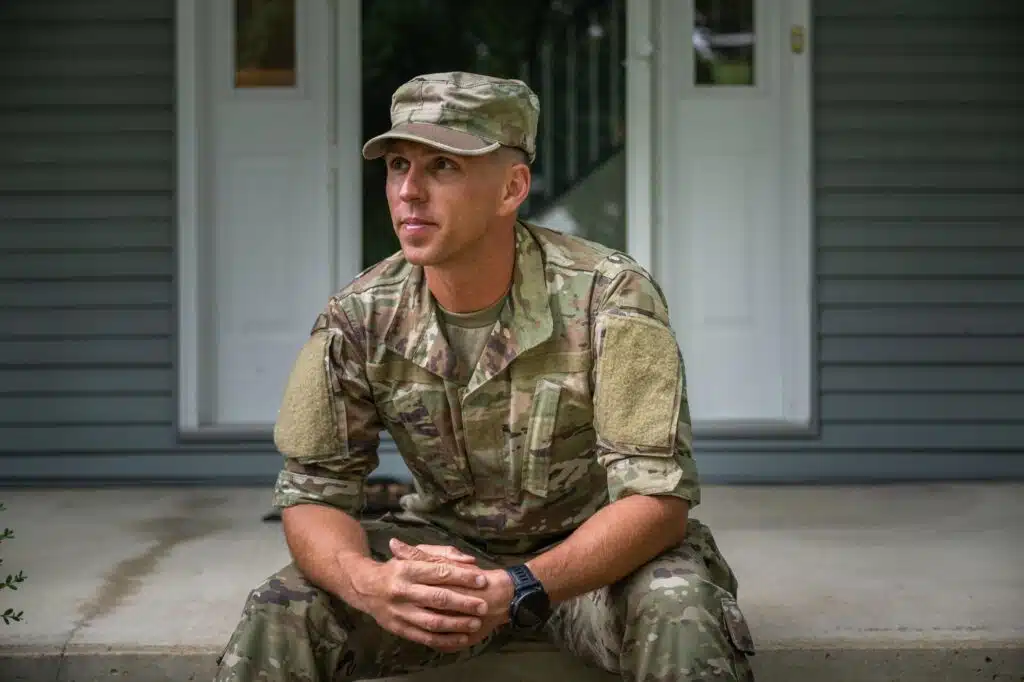
Veteran rehab programs offer more than just individual therapy sessions. They have a wide range of support services that are specifically designed to tackle the various aspects of recovery.
Family Therapy
Family therapy is crucial in mending relationships that have been damaged by addiction. It helps family members grasp the complexities of substance use disorders and encourages healthy communication habits.
Peer Support Groups
Many programs include peer support groups exclusively for veterans. These groups provide a platform for service members to bond over shared military experiences and their journeys to recovery.
Vocational Counseling
Vocational counseling is available to assist with career changes and job-related difficulties. This recognizes that having financial stability contributes to maintaining sobriety in the long run.
Case Management Services
Case management services are in place to coordinate care among different healthcare providers. This ensures that veterans receive assistance with housing, access their VA benefits, and utilize community resources.
Recreational and Experiential Therapies
Recreational and experiential therapies—such as outdoor adventure programs and equine therapy—offer alternative healing methods that resonate with veterans’ active lifestyles, boosting their confidence and sense of self outside conventional clinical environments.
Preparing for Inpatient Rehab at New Choices Treatment Center: A Step-by-Step Guide
Taking the first step toward recovery through veteran rehab programs requires preparation and understanding of what lies ahead. At New Choices Treatment Center, we’ve designed our admission process to be straightforward and supportive, recognizing that clarity reduces anxiety during this vulnerable time.
1. Initial Medical Evaluation
Your journey begins with a comprehensive medical assessment conducted by our clinical team. This evaluation examines your physical health, substance use history, mental health status, and any service-related conditions like PTSD or traumatic brain injury. We review current medications, assess withdrawal risk, and identify any medical complications requiring immediate attention. This thorough screening ensures we develop a safe, personalized treatment approach from day one.
2. Detox Planning and Preparation
Based on your assessment, our medical staff creates a detailed detoxification plan if needed. We determine whether medically assisted detox is necessary and which medications will best manage withdrawal symptoms. Our team explains the detox timeline, potential symptoms you may experience, and the 24/7 medical supervision available throughout the process.
3. What to Bring
Veterans entering our inpatient program should pack:
- Comfortable, weather-appropriate clothing
- Personal hygiene items
- Valid identification and insurance information
- List of current medications
- Contact information for family or support persons
We maintain a secure, distraction-free environment, so electronic devices and certain personal items have restrictions that our admissions team will explain during your pre-admission consultation.
Accessing Rehab Programs Through the VA or Community Providers: A Veteran’s Guide
Veterans seeking veteran rehab programs have multiple entry points to specialized addiction treatment. The most direct pathway begins with your VA primary care provider, who can assess your needs and provide referrals to VA-based substance use disorder treatment programs. This process typically involves an initial screening, followed by coordination with VA mental health specialists who determine the appropriate level of care.
When VA facilities face capacity limitations or geographic barriers prevent easy access, the VA Community Care Network offers alternatives. Through this system, eligible veterans can receive authorization to attend community-based treatment centers like New Choices Treatment Center. Your VA case manager or social worker can help navigate this process, which may include:
- Direct referrals from VA mental health clinics to approved community providers
- Veterans Choice Program eligibility for those living more than 40 miles from a VA facility
- Emergency authorizations when immediate treatment is medically necessary
- Self-referral options followed by VA benefit verification
Many veterans also access care through private insurance, TRICARE, or self-pay arrangements while working with their VA benefits coordinator to maximize coverage. The key is connecting with providers who understand military culture and can address service-related trauma alongside addiction.
Why Choose New Choices Treatment Center for Veteran Rehab in San Antonio?
New Choices Treatment Center is a veteran-owned San Antonio veteran rehab center that understands the challenges of military service and recovery. Our veteran rehab programs offer personalized treatment for both substance use disorders and mental health conditions, using evidence-based therapies that are sensitive to trauma.
The Active in Recovery (AIR) initiative creates community through shared veteran experiences, while our comprehensive treatment modalities—including EMDR, CBT, DBT, and specialized PTSD therapy—target the root causes of addiction. From medically supervised detox through aftercare, our continuum of care meets you wherever you are in your recovery journey.
Your service deserves specialized support. Our compassionate team provides the clinical expertise and understanding necessary for lasting transformation in a non-judgmental, home-like environment designed specifically for those who’ve served.
FAQs (Frequently Asked Questions)
What are veteran rehab programs and why are they important?
Veteran rehab programs are specialized treatment plans designed to address the unique challenges veterans face, such as PTSD, depression, and substance use disorders. These programs integrate care for both addiction and mental health, providing comprehensive support tailored to veterans’ specific needs to promote long-term recovery.
What types of inpatient treatment options are available for veterans?
Inpatient treatment for veterans involves residential programs with continuous medical supervision, offering intensive detoxification and a structured environment free from distractions. Medically assisted detox plays a crucial role in managing withdrawal symptoms, ensuring safety and comfort during the initial phase of recovery.
How does outpatient treatment work for veterans and what are its benefits?
Outpatient treatment allows veterans to live at home while receiving therapy and support. It includes various levels such as standard outpatient care, Intensive Outpatient Programs (IOP), and Partial Hospitalization Programs (PHP). This flexibility helps veterans maintain daily responsibilities while engaging in structured recovery services.
What are the key differences between inpatient and outpatient rehab for veterans?
Inpatient rehab offers intensive care with 24/7 medical supervision in a residential setting, providing a distraction-free environment ideal for detox and early recovery stages. Outpatient rehab provides less intensive care, allowing veterans to live at home and maintain daily routines while attending therapy sessions. The choice depends on the severity of addiction, medical needs, and lifestyle considerations.
How does New Choices Treatment Center support veterans in their recovery journey?
New Choices Treatment Center offers veteran-specific programs with compassionate care tailored to the unique challenges faced by those who have served. Their services include evidence-based therapies, integrated mental health and substance use treatment, multiple levels of care from detox to outpatient services, and initiatives like the Active in Recovery (AIR) program that foster community support through shared experiences.
What types of therapies and treatments are offered at New Choices Treatment Center for veterans?
The center provides a wide range of evidence-based therapies including Cognitive Behavioral Therapy (CBT), Dialectical Behavioral Therapy (DBT), Eye Movement Desensitization and Reprocessing (EMDR), Medication-Assisted Treatment (MAT), trauma-focused therapies, experiential therapies like outdoor adventure therapy, meditation, yoga, psychoeducational groups, PTSD therapy, and more. These comprehensive treatments address both substance use disorders and co-occurring mental health conditions.
Whether you need 24/7 support or a flexible schedule, help is available. Reach out to our team today to learn more about our specialized addiction treatment tracks for veterans.
Disclaimer: The information provided in this blog is for informational purposes only and is not intended as medical advice, diagnosis, or treatment. Always seek the advice of your physician or a qualified healthcare provider with any questions you may have regarding a medical condition or treatment plan. Never disregard professional medical advice or delay in seeking care because of something you have read on this website. New Choices Treatment Center does not provide medical services directly through its website. If you are experiencing a medical emergency, please call 911 or seek immediate medical attention.