
Understanding Your Husband’s PTSD: Symptoms and Impact on Your Relationship

Post-Traumatic Stress Disorder (PTSD) is a mental health condition triggered by experiencing or witnessing a traumatic event. For many military veterans and service members, combat exposure, life-threatening situations, or witnessing injury and death can leave lasting psychological wounds. Recognizing PTSD symptoms in your husband is the first step toward understanding what he’s experiencing.
Common PTSD symptoms include:
- Intrusive thoughts: These are unwanted thoughts that come up unexpectedly, forcing him to relive traumatic experiences.
- Nightmares: These are disturbing dreams that disrupt his sleep and leave him feeling tired or upset when he wakes up.
- Flashbacks: During these episodes, he feels as if the trauma is happening again right now.
- Hypervigilance: This is when he’s always on high alert, constantly looking out for potential dangers.
- Emotional numbness: He may find it difficult to connect with his loved ones emotionally.
- Avoidance behaviors: He actively avoids people, places, or conversations that remind him of the trauma.
When your husband refuses PTSD treatment, the symptoms don’t simply disappear—they often get worse. The relationship carries the burden of unresolved trauma, creating distance where there used to be closeness. Communication becomes difficult as he pulls away emotionally or reacts with anger. Family dynamics change as everyone adjusts their behavior around his unpredictable moods or triggers. Children may feel confused or anxious, while you find yourself being extra cautious, trying to keep things stable in an increasingly unstable environment.
Why Do Some Husbands with PTSD Refuse to Seek Treatment? Understanding the Barriers
The decision to avoid PTSD treatment rarely comes from stubbornness alone. Deep-rooted beliefs about strength, masculinity, and self-reliance often create powerful internal resistance. Many men see seeking mental health support as an admission of weakness or brokenness—a narrative that contradicts how they’ve been taught to handle adversity throughout their lives.
Military culture significantly shapes these attitudes. Service members learn to push through pain, compartmentalize emotions, and prioritize mission completion over personal needs. This training creates exceptional warriors but can make vulnerability feel like failure. The “suck it up” mentality that works well in combat becomes a barrier to healing at home. Veterans may fear that acknowledging PTSD could damage their identity as strong protectors or diminish their service accomplishments.
Misunderstandings about what PTSD treatment actually involves create additional hesitation. Some husbands imagine therapy as endless talk sessions rehashing traumatic memories, unaware of effective approaches like EMDR or cognitive processing therapy that don’t require detailed trauma narratives. Others worry about medication side effects or believe treatment means admitting they’ll never be “normal” again.
Practical obstacles add to these psychological barriers:
- Limited awareness of available resources specifically designed for veterans
- Concerns about confidentiality and potential career implications
- Geographic distance from specialized trauma treatment centers
- Insurance complexities or financial worries about behavioral health services
- Long wait times at VA facilities that discourage initial outreach
How Does Untreated PTSD Affect Marriage and Family Life? Exploring the Consequences
When your husband lives with untreated PTSD, the ripple effects touch every corner of family life. The symptoms that go unaddressed don’t simply remain contained—they reshape relationships in profound ways.
The Daily Toll on Intimacy and Connection
- Irritability and anger become unwelcome guests at the dinner table, during bedtime, and in moments that once felt safe.
- Your husband may withdraw emotionally, creating distance where closeness once existed.
- Mistrust—whether directed at you, the world, or even himself—erodes the foundation of open communication.
- Physical intimacy often suffers as hypervigilance and emotional numbness make vulnerability feel impossible.
The Cascade Effect Throughout the Household
Without ptsd treatment, secondary struggles frequently emerge:
- Many individuals turn to alcohol or substances as a way to self-medicate their symptoms, creating additional strain on family finances and trust.
- Children absorb the tension, sometimes developing anxiety or behavioral challenges of their own.
- Spouses may experience depression, anxiety, or feelings of helplessness as they navigate an increasingly unpredictable home environment.
The Hidden Cost for Military Spouses
Military spouses face a particularly intense burden. The constant vigilance required to manage symptoms, anticipate triggers, and maintain household stability leads to caregiver burnout. Emotional exhaustion becomes a daily reality, leaving little energy for personal needs or self-care. The isolation many military families experience compounds these challenges, making the weight feel even heavier to carry alone.
What Are Practical Ways to Support a Husband with PTSD Who Won’t Get Help? Strategies for Military Spouses
Supporting someone who refuses help requires a delicate balance between offering compassion and respecting autonomy. Your presence matters more than your words—simply being available without judgment creates a foundation of trust. Resist the urge to offer solutions or push for immediate change. Instead, listen actively when he chooses to share, validating his experiences without trying to fix them.
Create opportunities for connection through everyday activities:
- Invite him to join you for walks, grocery shopping, or other routine tasks
- Maintain regular meal times and family traditions that provide structure
- Encourage interactions with friends or family members he trusts, even in small doses
- Keep the home environment predictable and calm
Reframe the conversation around ptsd treatment by focusing on empowerment rather than weakness. Help him see therapy as a tool for reclaiming the life he wants—not as an admission of failure. You might say, “Treatment could give you more control over these reactions” rather than “You need help because something’s wrong with you.”
Consider enlisting support from people he respects—fellow veterans, a trusted friend, or a family member who has successfully navigated their own mental health journey. Sometimes hearing encouragement from someone who shares similar experiences carries more weight than words from a spouse. These conversations work best when they come from a place of genuine care rather than orchestrated intervention.
You can’t force him to heal, but you don’t have to suffer in silence. Contact New Choices Treatment Centers in San Antonio to discuss intervention strategies and family support options.
How Can You Manage Your Husband’s PTSD Symptoms at Home When Treatment Is Refused? Practical Tips for Spouses
When your husband resists formal PTSD treatment, you can still implement practical strategies at home to reduce symptom intensity and create a more stable environment for your family.
Identifying and Minimizing Triggers
Start by observing patterns in your husband’s reactions. Common triggers include:
- Loud, sudden noises (fireworks, slamming doors, backfiring vehicles)
- Crowded spaces or feeling trapped
- Specific smells associated with traumatic memories
- News coverage of combat or violence
- Anniversary dates of traumatic events
Keep a private journal noting what precedes difficult episodes. Once you identify triggers, make reasonable adjustments—use visual doorbells instead of loud chimes, plan shopping trips during quieter hours, or create a designated quiet space in your home.
Grounding Techniques for Intrusive Thoughts
When your husband experiences flashbacks or intrusive thoughts, gentle grounding can help him reconnect with the present moment. Guide him through the “5-4-3-2-1” technique: name five things he can see, four he can touch, three he can hear, two he can smell, and one he can taste. Physical grounding—holding ice cubes, feeling textured objects, or stomping feet firmly on the floor—can interrupt the flashback cycle.
Managing Anger While Maintaining Safety
During anger episodes, remain calm and speak in a low, steady voice. Avoid cornering him or blocking exits, which can escalate feelings of being trapped. Simple phrases like “I’m here” or “You’re safe” work better than reasoning or arguing. If anger becomes threatening, prioritize your safety and leave the situation. Establish a code word with your husband during calm moments that signals when space is needed.
Creating Low-Stress Routines
Predictable daily structures reduce anxiety and provide stability. Maintain consistent meal times, sleep schedules, and household rhythms. Designate specific areas for relaxation where stimulation is minimal. While these home strategies provide support, they cannot replace professional PTSD treatment for addressing the root causes of trauma.
Why Is Self-Care Essential for You as a Spouse of a Husband with Untreated PTSD? Taking Care of Yourself Matters Too!
Living with someone who has untreated PTSD can be emotionally challenging and may gradually affect your own well-being. As a caregiver, you may experience burnout, which can show up as constant tiredness, irritability, trouble focusing, and feeling hopeless about your situation. When you’re always dealing with your husband’s symptoms while also taking care of household tasks, it’s easy to neglect your own needs. This can lead to emotional exhaustion, making it harder for you to support him and take care of your mental health.
Your Physical Health Needs Attention Too
Even when things feel overwhelming, it’s important to prioritize your physical health:
- Get enough sleep: Aim for 7-9 hours of quality sleep each night by sticking to a regular bedtime routine, even if your husband’s sleep patterns are disrupted.
- Stay active: Find ways to move your body for at least 30 minutes every day. Whether it’s going for a walk, doing yoga, or any other form of exercise that helps release stress hormones.
- Eat well: Fuel your body with nutritious meals instead of relying on convenience foods during tough times.
Finding Support Through Connections
Having a support system is crucial when you’re caring for someone who refuses ptsd treatment. Here are some ways you can find emotional support:
- Connect with other military spouses: Reach out to other spouses who understand the challenges you’re facing. They can offer validation and practical advice based on their own experiences.
- Seek professional counseling: Consider talking to a therapist who specializes in trauma or military issues. This provides a safe space for you to express your feelings without judgment.
Protecting Your Emotional Well-Being
Setting boundaries is essential in order to protect your emotional energy. Remember that while you love your husband deeply, you cannot force him into treatment. Here are some tips for establishing healthy boundaries:
- Communicate openly about what behaviors are unacceptable
- Be consistent in enforcing consequences if those boundaries are crossed
- Prioritize self-care activities that bring you joy and relaxation
Maintaining personal interests and friendships outside of being a caregiver is also important. It reminds you that there is more to your identity than just the challenges you’re going through together.
You Might Also Enjoy: What Happens in a Men’s Trauma Therapy Session?
When Should You Seek Emergency Help for Your Husband’s PTSD?
Certain situations require immediate intervention, regardless of your husband’s resistance to ptsd treatment. Recognizing these critical moments can mean the difference between safety and tragedy.
Immediate warning signs that demand emergency action include:
- Suicidal statements or behaviors – expressions of wanting to die, researching methods, giving away possessions, or saying goodbye to loved ones
- Threats of violence toward you, children, or others, especially when accompanied by access to weapons
- Severe dissociative episodes where he cannot recognize his surroundings or becomes completely unresponsive
- Psychotic symptoms such as hallucinations or severe paranoia that compromise his judgment
- Self-harm behaviors including cutting, burning, or other intentional injuries
When you observe these signs, call 911 or the Veterans Crisis Line at 988 (press 1) without hesitation. Your safety and his life take precedence over concerns about his reaction to emergency services.
During a crisis:
- Speak in a calm, steady voice while maintaining physical distance if he appears agitated.
- Remove weapons or dangerous objects from the immediate area if you can do so safely.
- Avoid arguing, making sudden movements, or blocking exits.
- Share specific information with first responders about his PTSD diagnosis, triggers, and current medications.
Remember that seeking emergency help demonstrates love and commitment, not betrayal. Crisis intervention often becomes the catalyst that finally opens the door to accepting professional treatment.
Getting PTSD Help in San Antonio with New Choices Treatment Centers
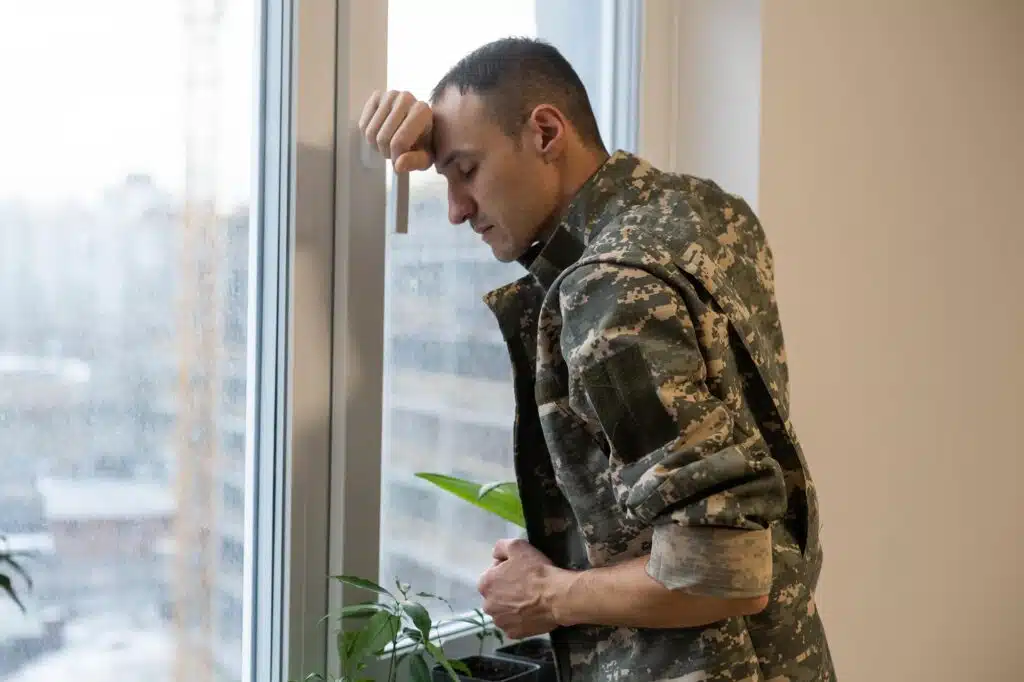
Professional PTSD treatment makes a meaningful difference, especially when tailored to veterans’ unique experiences and challenges. Many service members face co-occurring disorders—PTSD alongside substance use—that require specialized, integrated care rather than isolated approaches.
New Choices Treatment Center in San Antonio offers evidence-based, trauma-informed therapies within a supportive, non-judgmental environment designed specifically for veterans and their families. As a veteran-owned facility, we understand the cultural barriers and hesitations that often prevent service members from seeking help.
Our comprehensive continuum of care—from medical detox through aftercare—provides personalized treatment plans addressing both PTSD and any co-occurring substance use disorders. Our residential treatment services further ensure that individuals receive the necessary care and support while seeking recovery.
Reaching out doesn’t mean giving up; it means reclaiming control and building a foundation for lasting recovery. If you or your loved one is a veteran in need of veterans mental health support, contact New Choices Treatment Center today to explore how we can support your husband’s journey toward healing.
Sometimes the “no” isn’t about the help—it’s about the setting. Contact our team to learn how our private, veteran-friendly program offers a different experience than the standard VA system.
FAQs (Frequently Asked Questions)
What are the common symptoms of PTSD in husbands and how do they impact relationships?
Common PTSD symptoms include intrusive thoughts, nightmares, and flashbacks. These symptoms can lead to challenges such as irritability, anger, and mistrust, which negatively affect intimacy and communication within the relationship, impacting family dynamics.
Why might some husbands with PTSD refuse to seek treatment?
Husbands with PTSD may refuse treatment due to stigma, feelings of weakness or damage associated with seeking help, influences from military culture that discourage mental health care, lack of understanding about available treatments, and barriers to accessing behavioral health services.
How does untreated PTSD affect marriage and family life?
Untreated PTSD can cause irritability, anger, and mistrust that strain intimacy and communication. It may also lead to secondary effects like alcohol use or depression in spouses or children, increasing burnout and emotional exhaustion for military families.
What practical strategies can military spouses use to support a husband with PTSD who refuses help?
Spouses can provide nonjudgmental comfort without unsolicited advice, encourage social interaction and normal routines, positively frame therapy as regaining control and independence, and involve trusted individuals who might influence acceptance of treatment.
How can spouses manage their husband’s PTSD symptoms at home when treatment is refused?
Spouses can identify and minimize common triggers such as certain sights, sounds, or smells; teach grounding techniques during intrusive thoughts or flashbacks; calmly defuse anger episodes while maintaining safety; and create low-stress home routines to support symptom management.
Why is self-care essential for spouses of husbands with untreated PTSD?
Self-care helps prevent caregiver burnout and emotional fatigue. Maintaining sleep hygiene, exercise, nutrition, seeking emotional support through friends or professional counseling, setting boundaries, and preserving personal hobbies are vital for the spouse’s well-being.
Disclaimer: The information provided in this blog is for informational purposes only and is not intended as medical advice, diagnosis, or treatment. Always seek the advice of your physician or a qualified healthcare provider with any questions you may have regarding a medical condition or treatment plan. Never disregard professional medical advice or delay in seeking care because of something you have read on this website. New Choices Treatment Center does not provide medical services directly through its website. If you are experiencing a medical emergency, please call 911 or seek immediate medical attention.
You Might Also Enjoy: 10 Signs You Need Trauma Therapy: How to Recognize the Symptoms