Addiction
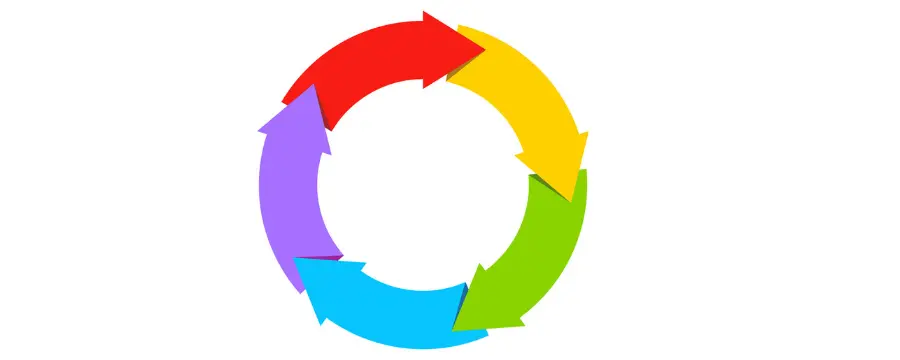
The Addiction Cycle
Though the addiction cycle differs slightly depending on what type of addiction the individual faces, it is similar in that it repeats over and over until intervention and treatment occur.
Though the addiction cycle differs slightly depending on what type of addiction the individual faces, it is similar in that it repeats over and over until intervention and treatment occur.

Addicts will experience a change in personalities as their brains become more and more damaged. Family members and friends may not be able to recognize these personality changes as signs of addiction, or may just chalk it up to puberty or a “tough spell.”

The Jellinek Curve was created by E. Morton Jellinek, and later revised by Max Glatt. Jellinek was among the first to take a scientific approach to understanding alcoholism and addiction
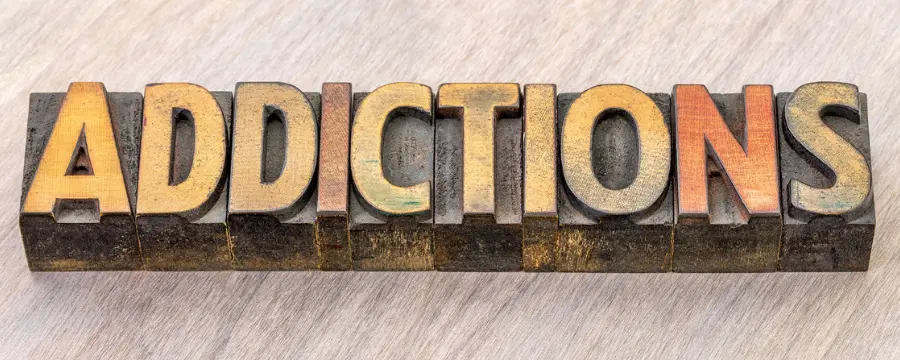
Addiction can be either physical or behavioral, and often they go hand in hand. Though alcohol and tobacco are commonly recognized types of addiction, there are actually hundreds of types of medically and scientifically recognized addictions.
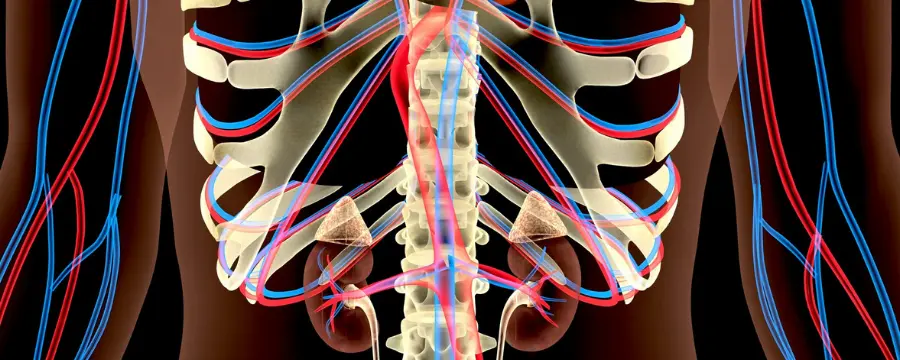
Every person processes alcohol differently based on weight, age, gender, genetics, and overall health. However, there are some general facts that can help determine how long alcohol will stay in your system.

Those that suffer from alcohol use disorder, or any other addiction, experience a change in their brain chemistry and they need a lot more than a break from the addictive substance to fully recover from the addiction

To best understand drug addiction, it’s important to learn how addictive substances affect and damage the body and the mind.

The term “opioid epidemic” cannot be understated enough when talking about the crisis facing the U.S. right now.

As the alcohol and drug abuse problems in our country continue to grow and worsen, many more people are asking questions about how people become substance addicts

Are you struggling with alcohol addiction? If your drinking has gotten to the point where you feel like you aren’t able to control it, you’re not alone. In fact, it’s estimated that almost 18 million Americans have an alcohol use disorder.