
What Is Intensive Outpatient Treatment (IOP) and How Does It Benefit Veterans?
Intensive Outpatient Programs (IOP) are structured addiction and mental health treatment programs that offer comprehensive care without the need for patients to stay in a facility overnight. IOP specifically designed for veterans generally requires participants to attend therapy sessions multiple times a week—typically three to five days—with each session lasting around three hours. This setup creates a therapeutic environment that combines intense clinical support with personal freedom.
Why IOP Works for Veterans
The structure of IOP allows veterans to continue living at home, maintaining employment, attending to family responsibilities, and honoring other commitments while receiving professional treatment. This flexibility is especially valuable for:
- Those who have already completed higher levels of care
- Individuals whose circumstances don’t require 24-hour supervision but still need significant clinical support
Benefits of IOP for Veterans
Veterans participating in IOP benefit from:
- Flexible scheduling: Accommodates work, education, or family obligations
- Accessibility: Provides evidence-based therapies without disrupting daily life
- Comprehensive care: Addresses both substance use and co-occurring mental health conditions
- Peer support: Offers group therapy with fellow veterans who understand military culture
- Cost-effectiveness: More affordable compared to residential treatment options
Learning in Real Life
The program’s design recognizes that recovery doesn’t happen in isolation from real life. Veterans learn to apply coping strategies, relapse prevention techniques, and healthy behaviors in their actual environments—strengthening skills that support long-term sobriety while maintaining the connections and routines that provide stability and purpose.
Why Do Veterans Need Specialized IOP Programs for Substance Use and Mental Health Disorders?
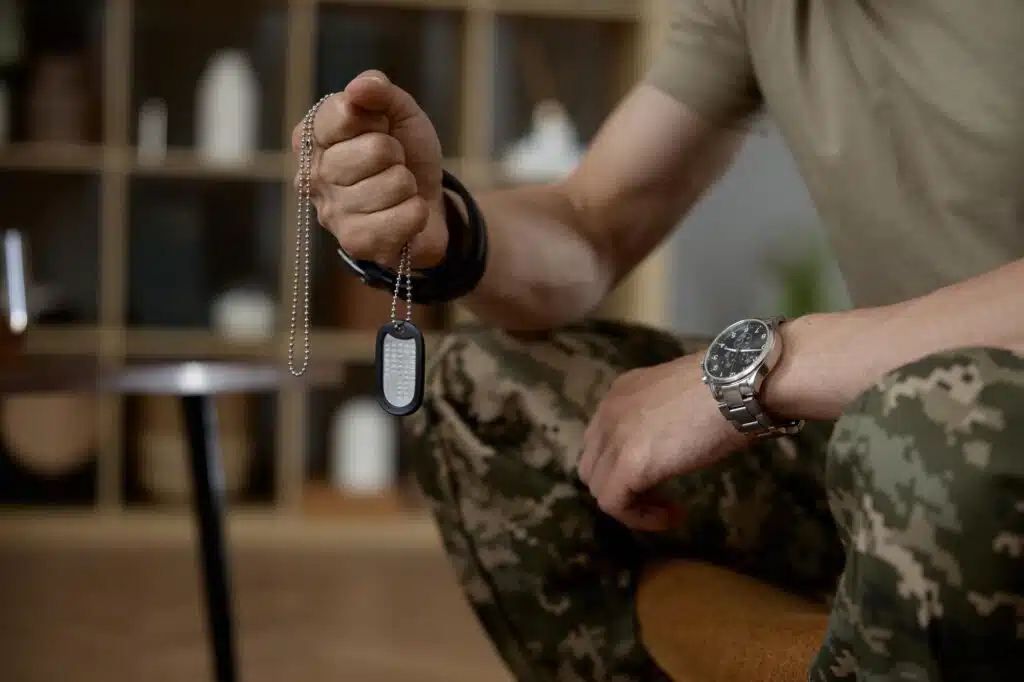
Veterans face unique mental health challenges that require specialized understanding and treatment approaches. Post-Traumatic Stress Disorder (PTSD) affects a significant portion of the veteran population, often manifesting alongside depression, anxiety, and substance use disorders. These conditions rarely exist in isolation—many veterans struggle with co-occurring disorders that demand integrated treatment strategies.
Unique Psychological Impact of Military Service
IOP for Veterans must account for the unique psychological impact of military service. Combat experiences from Operations Enduring Freedom (OEF), Iraqi Freedom (OIF), and New Dawn (OND) have exposed service members to prolonged stress, moral injury, and life-threatening situations that civilian-focused programs may not adequately address. The hypervigilance, emotional numbing, and survival mechanisms that once served veterans in combat zones can become barriers to civilian life and recovery.
Understanding Military Culture
Military culture shapes how veterans perceive strength, vulnerability, and help-seeking behavior. A specialized IOP recognizes this cultural context, creating an environment where seeking treatment is viewed as a strategic mission rather than a sign of weakness. Treatment teams trained in military culture understand the language, values, and experiences that define veteran identity.
Importance of Dual Diagnosis Approach
The dual diagnosis approach becomes essential when addressing substance use disorders that often develop as a way to self-medicate trauma symptoms. Specialized programs simultaneously treat both the addiction and underlying mental health conditions, recognizing that sustainable recovery requires healing the whole person. This integrated model prevents the revolving door of treating one condition while the other remains unaddressed.
What Evidence-Based Therapies Are Used in IOP for Veterans?
IOP for Veterans incorporates scientifically validated therapeutic approaches specifically designed to address the complex interplay between military trauma and substance use. These evidence-based modalities create a structured framework that respects the unique experiences of those who have served.
1. Cognitive Behavioral Therapy (CBT)
CBT helps veterans identify and reshape negative thought patterns that fuel both addiction and trauma responses. Through CBT, participants learn to recognize triggers, challenge distorted beliefs about themselves and their experiences, and develop healthier coping mechanisms that replace substance use.
2. Cognitive Processing Therapy (CPT)
CPT specifically targets PTSD symptoms by helping veterans process traumatic memories and challenge unhelpful beliefs about combat experiences. This structured approach has demonstrated significant effectiveness in reducing trauma symptoms that often drive self-medication behaviors.
3. Motivational Interviewing
Motivational Interviewing creates a collaborative therapeutic relationship where veterans explore their own reasons for change rather than feeling pressured by external expectations. This approach honors military values of autonomy and self-determination, making it particularly effective in engaging veterans who may be ambivalent about treatment.
4. Relapse prevention strategies
Relapse prevention strategies in veteran-focused programs address military-specific triggers such as anniversary dates of deployments, reunions with unit members, or exposure to combat-related media. These techniques include developing personalized crisis plans and identifying high-risk situations unique to military life.
5. Anger management interventions
Anger management interventions acknowledge the adaptive nature of combat-related anger while teaching veterans to express emotions in ways that strengthen rather than damage relationships and recovery goals.
What Are the Key Components of a Veteran-Focused IOP Treatment Plan?
Creating an effective IOP for veterans begins with a thorough clinical assessment that examines substance use history, mental health symptoms, military service experiences, and current life circumstances. These comprehensive evaluations identify specific treatment needs, from PTSD symptoms to opioid dependence, allowing clinicians to develop truly individualized treatment plans that address each veteran’s unique challenges.
Interdisciplinary Care Teams
Veteran-focused IOP programs rely on collaborative teams of specialized professionals working together:
- Psychiatrists who understand military-related mental health conditions and can prescribe appropriate medications
- Psychologists and licensed therapists trained in trauma-informed care and veteran-specific issues
- Addiction counselors experienced in substance use disorders common among military populations
- Case managers who coordinate care and connect veterans with community resources
This team approach ensures that every aspect of a veteran’s recovery receives expert attention, from managing withdrawal symptoms to processing combat trauma.
Medication-Assisted Treatment Integration
For veterans struggling with opioid use disorders, medication management becomes a critical component of IOP. Evidence-based medications like buprenorphine and methadone reduce cravings and withdrawal symptoms, allowing veterans to fully engage in therapy. When combined with counseling and behavioral therapies, medication-assisted treatment significantly improves long-term recovery outcomes. The treatment team monitors medication effectiveness, adjusts dosages as needed, and provides education about how these medications support the recovery process.
How Can Returning Combat Veterans and Women Veterans Specifically Benefit from IOP?
Benefits of IOP for Returning Combat Veterans
Returning combat veterans often carry the weight of operational stress that extends far beyond their deployment. Exposure to combat zones, witnessing traumatic events, and the constant hypervigilance required during missions can create lasting psychological impacts that affect daily functioning. IOP for veterans provides a structured yet flexible framework where these service members can process their experiences while gradually reintegrating into civilian life. The program’s schedule allows veterans to attend treatment sessions while maintaining employment, family responsibilities, and other commitments—a critical factor for those working to rebuild their post-military identity.
Benefits of IOP for Women Veterans
Women veterans face distinct challenges that require specialized attention within treatment settings. Military sexual trauma (MST) affects a significant percentage of women who have served, creating complex layers of trauma that intersect with substance use and mental health concerns. IOP programs designed with gender-specific awareness create safe spaces where women veterans can address these experiences without judgment. Treatment teams trained in MST recognition understand how these traumas manifest differently and how they influence recovery pathways.
The intensive nature of IOP sessions—typically meeting three to five days per week for several hours—provides consistent therapeutic support while respecting the autonomy veterans value. This balance proves particularly beneficial for those transitioning from active duty, as it mirrors the structured environment of military service while fostering independence. Group therapy sessions within IOP connect veterans with peers who share similar experiences, reducing isolation and building a recovery community grounded in mutual understanding.
What Role Does Relapse Prevention Play in Long-Term Recovery for Veterans?
Relapse prevention is a crucial part of long-term recovery in Intensive Outpatient Programs (IOP) for veterans. It recognizes that addiction is a long-term condition that needs continuous management strategies. Veterans have specific triggers related to their military experiences, such as stress reactions to loud noises, crowds, or situations that remind them of their deployment. To create effective prevention plans, it’s important to understand these military-specific triggers.
Core relapse prevention education within veteran-focused IOP programs includes:
- Identifying personal warning signs and high-risk situations specific to military culture
- Developing coping mechanisms for stress, anxiety, and trauma responses
- Creating detailed action plans for managing cravings and urges
- Building healthy routines that replace substance use patterns
- Recognizing the connection between mental health symptoms and substance use
Veterans learn practical tools through hands-on activities and group discussions with peers who understand military life. These strategies include mindfulness techniques adapted for combat stress, grounding exercises for PTSD symptoms, and communication skills for expressing needs without substances. IOP programs provide veterans with written relapse prevention plans that outline specific steps to take when facing challenges, including contact information for sponsors, therapists, and crisis resources.
The structured nature of IOP allows veterans to practice these skills in real-world settings while maintaining accountability through regular sessions. This approach builds confidence and reinforces the reality that recovery is an active, ongoing process requiring dedication and the right support system.
How Can Families Support Veterans During Intensive Outpatient Treatment?
Recovery from substance use and mental health challenges rarely happens in isolation. IOP for veterans recognizes that family members play a vital role in creating an environment conducive to healing and sustained sobriety. When families understand the complexities of addiction, PTSD, and other service-related conditions, they become powerful allies in the recovery process.
Family involvement in IOP offers several therapeutic benefits:
- Enhanced communication skills that help family members express concerns without judgment or blame
- Education about addiction and mental health that reduces stigma and increases empathy
- Practical strategies for supporting a veteran’s treatment goals at home
- Healing of relationship wounds caused by substance use or untreated trauma
- Shared accountability that reinforces the veteran’s commitment to recovery
Family counseling sessions within IOP programs create safe spaces where veterans and their loved ones can address difficult topics together. These sessions help families recognize enabling behaviors, establish healthy boundaries, and develop crisis response plans. Spouses, parents, and children learn to identify triggers and warning signs while understanding their own emotional needs during this challenging time.
Strengthening family dynamics through structured support transforms the home environment from a potential source of stress into a foundation for recovery. Veterans who feel understood and supported by their families demonstrate higher engagement in treatment and better long-term outcomes.
Where Can Veterans Find Help When Facing a Crisis Related to Substance Use or Mental Health?
Crisis situations require immediate attention and specialized support. Veterans experiencing thoughts of self-harm, severe substance use complications, or acute mental health episodes have access to dedicated resources designed specifically for their needs.
The Veterans Crisis Line provides 24/7 confidential support through multiple contact methods:
- Call: 988, then press 1
- Text: 838255
- Chat: VeteransCrisisLine.net
- Deaf and Hard of Hearing: Use TTY by dialing 711 then 988
These trained responders understand military culture and can provide immediate intervention, safety planning, and connections to local VA resources or IOP for Veterans programs.
Recognizing Crisis Warning Signs
Watch for these indicators that a veteran may need urgent help:
- Talking about feeling hopeless or having no reason to live
- Increased substance use or risky behavior
- Withdrawing from family, friends, and activities
- Dramatic mood changes or expressions of unbearable pain
- Giving away possessions or saying goodbye
Communicating During a Crisis
When reaching out to a veteran in distress, approach with calm directness. Listen without judgment, ask specifically about thoughts of self-harm, and stay with them while connecting to crisis resources. Avoid minimizing their feelings or offering quick fixes. Your presence and willingness to facilitate professional help through services like IOP for Veterans can make a life-saving difference.
How Does New Choices Treatment Center Provide Effective IOP Services Tailored to Veterans?
New Choices Treatment Center has a unique understanding of IOP for Veterans because we are veteran-owned and have specialized clinical expertise. Our approach recognizes that military service creates unique treatment needs requiring both clinical excellence and cultural competency.
Clinically-Based Treatment for Co-Occurring Disorders
Our IOP programming addresses the reality that many veterans face simultaneous substance use and mental health challenges. Through trauma-informed care principles, we create treatment plans that acknowledge military experiences without requiring veterans to relive traumatic events before they’re ready. Each participant in our Active in Recovery Program receives a comprehensive plan of action addressing:
- Individual therapy sessions targeting specific trauma and addiction patterns
- Group therapy fostering peer connection and shared healing
- Skills training for managing triggers, cravings, and emotional regulation
- Medication management when clinically appropriate for sustainable recovery
Three Cornerstone Functions for Long-Term Success
Our IOP drug addiction and alcohol abuse treatment program builds recovery through structured yet flexible care. Veterans maintain their daily responsibilities while receiving intensive support designed to prepare them for lifelong sobriety.
Seamless Continuum of Care
The path to recovery rarely follows a straight line. New Choices Treatment Center offers medically managed detoxification through outpatient settings, ensuring veterans receive the appropriate level of care as their needs evolve. This comprehensive approach means treatment adjusts to support each veteran’s progress without disrupting their recovery momentum.
Flexible, effective treatment designed by veterans, for veterans, is available right here in San Antonio. Reach out to our team at New Choices Treatment Centers for a confidential assessment today.
Getting Help with New Choices Treatment Centers
Veterans facing substance use or mental health challenges deserve treatment that honors their service and understands their unique experiences. New Choices Treatment Center offers intensive outpatient programs specifically designed to address the complex needs of those who have served.
Ready to start your intensive outpatient program in San Antonio, TX? Our veteran-owned facility provides comprehensive evaluations and customized care planning that respects your military background. Whether you’re struggling with PTSD, substance use disorders, or co-occurring conditions, our team stands ready to support your recovery journey.
We specialize in providing veterans mental health support that is tailored to your individual needs. Contact New Choices Treatment Center today to speak with our veteran addiction help specialists and learn how our IOP services can provide the structure, flexibility, and evidence-based care you need to reclaim your life. Your path to lasting recovery begins with a single conversation.
FAQs (Frequently Asked Questions)
What is Intensive Outpatient Treatment (IOP) and how does it benefit veterans?
Intensive Outpatient Programs (IOP) offer structured treatment allowing veterans to maintain their daily routines while receiving comprehensive care. Typically, sessions occur multiple times a week over several weeks, providing flexibility and accessibility tailored to veterans’ unique needs.
Why do veterans require specialized IOP programs for substance use and mental health disorders?
Veterans often face complex challenges such as PTSD, depression, and substance use disorders stemming from combat experiences like OEF, OIF, and OND. Specialized IOP programs incorporate military culture understanding and dual diagnosis approaches to effectively address co-occurring psychological and substance use conditions.
Which evidence-based therapies are commonly used in veteran-specific IOP programs?
Veteran-focused IOP programs utilize therapies including Cognitive Behavioral Therapy (CBT), Cognitive Processing Therapy (CPT) targeting trauma and addiction symptoms, motivational interviewing to enhance engagement, as well as relapse prevention and anger management techniques tailored to veterans’ experiences.
What are the key components of a veteran-focused IOP treatment plan?
A comprehensive veteran-focused IOP treatment plan involves individualized evaluations, interdisciplinary teams comprising psychiatrists, psychologists, and addiction therapists, along with medication management options such as methadone or buprenorphine for opioid use disorders to ensure holistic care.
How do returning combat veterans and women veterans specifically benefit from IOP?
IOP programs address unique challenges faced by returning combat veterans including operational stress, while also tailoring approaches for women veterans by incorporating awareness of military sexual trauma, ensuring treatment meets diverse veteran needs effectively.
What role does relapse prevention play in long-term recovery for veterans undergoing IOP?
Relapse prevention education is integral within IOP programs, equipping veterans with tools and strategies to maintain sobriety post-treatment. This focus supports sustained recovery by addressing triggers and promoting coping mechanisms tailored to veterans’ experiences.
An IOP offers a powerful way for veterans to get help while maintaining civilian life. Contact New Choices Treatment Centers to see if our veteran-focused IOP is right for you.
Disclaimer: The information provided in this blog is for informational purposes only and is not intended as medical advice, diagnosis, or treatment. Always seek the advice of your physician or a qualified healthcare provider with any questions you may have regarding a medical condition or treatment plan. Never disregard professional medical advice or delay in seeking care because of something you have read on this website. New Choices Treatment Center does not provide medical services directly through its website. If you are experiencing a medical emergency, please call 911 or seek immediate medical attention.