
The holiday season is often portrayed as a time of joy, but for many who have served, it brings a complex wave of emotions that can be difficult to navigate. Holiday depression describes a pattern of sadness, anxiety, and emotional distress that emerges or intensifies during the holiday season. While many people experience some stress during this time, veterans face a particularly complex set of challenges that can transform what should be joyful celebrations into periods of profound struggle.
Holiday depression symptoms often include:
- Persistent feelings of sadness or emptiness
- Loss of interest in activities once enjoyed
- Changes in sleep patterns or appetite
- Increased irritability or restlessness
- Difficulty concentrating or making decisions
- Physical symptoms like headaches or fatigue
For veterans, the holiday season can act as a magnifying glass on existing mental health challenges. The contrast between societal expectations of joy and their internal emotional reality creates additional pressure. Many veterans carry invisible wounds from service—PTSD, traumatic brain injuries, or moral injury—that become harder to manage when surrounded by festive demands and social obligations.
The relationship between holiday depression and addiction risk becomes especially concerning during this vulnerable period. When emotional pain intensifies and healthy coping mechanisms feel inadequate, substances can appear to offer temporary relief. Veterans may turn to alcohol or drugs to numb difficult emotions, manage social anxiety, or simply get through another holiday gathering—a pattern that can quickly evolve into dependency.
Why Are Veterans More Vulnerable to Holiday Depression?
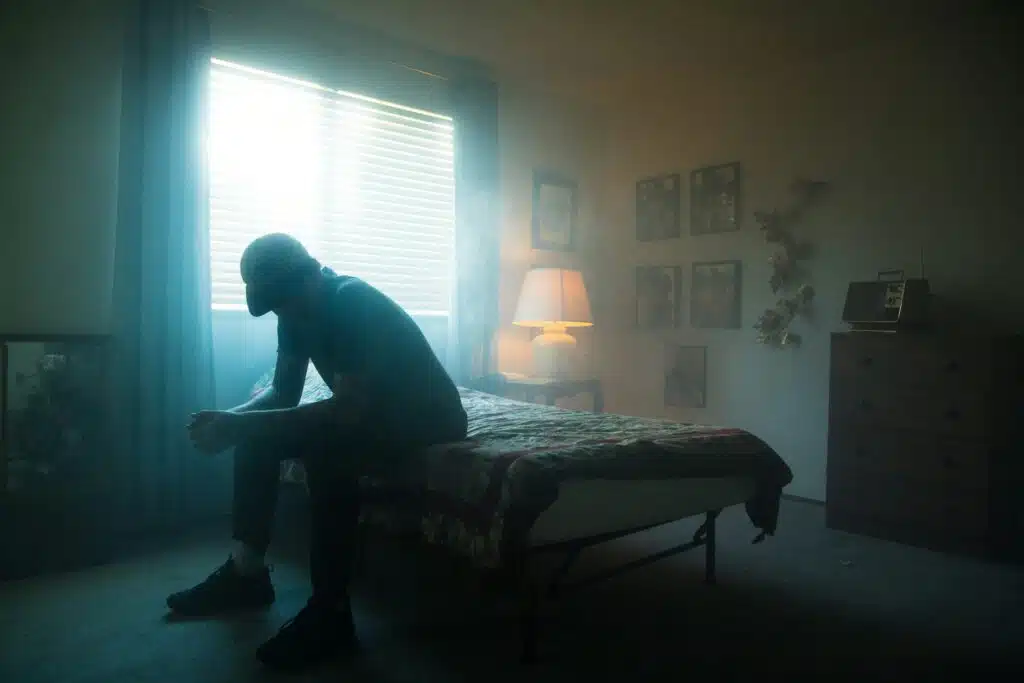
Veterans face unique challenges that make them more prone to mental health issues during the holiday season. The shift from military to civilian life often leaves lasting psychological effects that become more pronounced when surrounded by festive expectations and family gatherings.
Understanding the Impact of PTSD
Post-Traumatic Stress Disorder (PTSD) affects approximately 11-20% of veterans who served in Operations Iraqi Freedom and Enduring Freedom. This condition doesn’t take a break for celebrations. Depression and anxiety frequently accompany PTSD, creating a complex web of symptoms that worsen when veterans feel pressured to appear happy during holidays.
How Holiday Celebrations Can Trigger Symptoms
The sensory environment of holiday celebrations can be particularly challenging for veterans dealing with holiday depression:
- Fireworks displays during New Year’s celebrations may bring back memories of combat
- Crowded shopping centers and family gatherings can trigger heightened alertness and panic responses
- Bright, flashing lights on decorations may cause confusion or flashbacks
- Loud music and sudden noises can activate the body’s threat response
The Emotional Weight of the Season
Emotional wounds become more painful during this time of year. Many veterans carry the burden of lost friends—empty chairs at holiday tables serve as painful reminders of comrades who didn’t survive. Those who spent holidays in combat zones may grapple with guilt about missing important moments in their children’s lives or family events. These memories don’t fade away; they come back with particular intensity when everyone else seems caught up in celebration and togetherness.
The holidays don’t have to be a battle you fight alone. Contact New Choices Treatment Centers to connect with a veteran-focused team that understands your journey.
How Do Holiday Triggers Contribute to Addiction in Veterans?
The connection between holiday triggers addiction veterans face and substance use patterns reveals a concerning cycle. When sensory overload reaches its peak—whether from crowded shopping centers, unexpected fireworks, or chaotic family gatherings—many veterans instinctively reach for substances that promise immediate relief. Alcohol and prescription medications become readily available escape routes from the overwhelming stimulation that mirrors combat environments.
Emotional pain and loneliness during the holidays create particularly dangerous vulnerabilities. Veterans who feel disconnected from civilian celebrations or who carry the weight of survivor’s guilt may turn to substances as their only companion. The temporary numbness these substances provide feels like a lifeline when memories of fallen comrades surface during family-centered celebrations or when the contrast between military camaraderie and civilian isolation becomes unbearable.
The deceptive nature of this coping mechanism lies in its short-term effectiveness. Alcohol dulls the hypervigilance, prescription medications quiet the racing thoughts, and illicit drugs temporarily silence the emotional anguish. Yet each use deepens the neurological pathways that connect holiday depression with substance dependence. Physical health deteriorates as sleep patterns worsen, nutrition suffers, and the body’s stress response becomes increasingly dysregulated. Mental health symptoms intensify between episodes of use, creating a downward spiral where the addiction risk factors veterans experience multiply with each holiday season.
What Are the Common Emotional and Social Challenges Veterans Face During Holidays?
Holiday depression manifests uniquely for veterans through a constellation of emotional and social challenges that can feel overwhelming during what others describe as “the most wonderful time of the year.”
Isolation and Disconnection from Family Roles
Many veterans struggle with feeling like outsiders within their own families. Years of service create gaps in shared experiences, inside jokes, and daily family dynamics. Returning home for the holidays can amplify the sense of being a stranger at your own table, watching family members interact in ways that developed during your absence. This disconnection often leads to withdrawing from holiday gatherings, choosing solitude over the discomfort of feeling invisible in a crowded room.
Social Anxiety and Gathering Overwhelm
Holiday parties and family gatherings present unique challenges. The expectation to be cheerful, answer repeated questions about military service, or explain why you’re “not yourself anymore” creates intense pressure. Large groups, loud conversations, and unpredictable environments can trigger hypervigilance, making relaxation impossible.
Grief and Loss
The holidays magnify grief for fallen comrades and relationships that didn’t survive deployment. Empty chairs at the dinner table serve as painful reminders of those who won’t return. Some veterans carry survivor’s guilt, questioning why they made it home while brothers and sisters in arms did not. This profound loss compounds with the grief of missed milestones, broken marriages, and fractured friendships.
These layered emotional burdens create a perfect storm of stress that intensifies holiday depression.
How Can Veterans Combat Holiday Depression Without Turning to Addiction?
Breaking the cycle of holiday depression requires intentional strategies that address both emotional wellbeing and physical health. Veterans can build resilience through practical, accessible approaches that don’t rely on substances.
Build Your Support Network
Reaching out to fellow veterans who understand the unique challenges of military service creates a foundation of authentic connection. Whether through veteran service organizations, informal gatherings, or simply calling a battle buddy, these relationships provide validation and understanding. Family members and trusted friends also play a vital role in maintaining emotional stability during difficult seasons.
Prioritize Physical Wellness
Regular physical activity serves as a powerful tool against holiday depression. Walking, running, or structured exercise routines release endorphins that naturally improve mood and reduce stress. Yoga and meditation practices offer additional benefits by calming the nervous system and creating space for emotional processing.
Nourish Your Body and Mind
What you put into your body directly impacts mental health. Balanced, nutritious meals stabilize mood and energy levels throughout the day. Equally critical is maintaining 7-9 hours of quality sleep each night, as sleep deprivation amplifies depressive symptoms and weakens impulse control around substance use.
Rediscover Joy Through Hobbies
Engaging in activities that bring genuine pleasure—whether woodworking, fishing, art, music, or other interests—creates positive experiences that counter negative thought patterns and provide healthy outlets for stress relief.
When Should Veterans Seek Professional Help for Holiday Depression or Addiction?
Recognizing when self-care strategies aren’t enough requires honest self-assessment. If holiday depression intensifies despite your best efforts, professional support becomes essential rather than optional.
Watch for these warning signs:
- Depressive symptoms that worsen week by week, making daily tasks feel impossible
- Increased substance use to manage emotional pain or escape difficult feelings
- Thoughts of self-harm or suicide, even if fleeting
- Inability to sleep or sleeping excessively for days
- Complete withdrawal from relationships and activities you once valued
- Physical symptoms like chest pain, rapid heartbeat, or panic attacks
- Using alcohol or drugs first thing in the morning or throughout the day
The holiday season doesn’t need to reach crisis levels before seeking help. Early intervention prevents symptoms from spiraling and establishes support systems before stress peaks. Many veterans benefit from starting treatment in November, before family gatherings and anniversary dates trigger deeper distress.
Dual diagnosis programs specifically address the interconnected nature of holiday depression and substance use disorders. These specialized services recognize that treating addiction alone while ignoring underlying mental health conditions rarely leads to lasting recovery. Programs designed for veterans understand military culture, trauma exposure, and the unique challenges service members face during civilian holidays. Treatment teams trained in both addiction medicine and psychiatric care can address PTSD, depression, anxiety, and substance dependence simultaneously through integrated care plans.
How Does New Choices Treatment Center Support Veterans Struggling With Holiday Depression and Addiction?
New Choices Treatment Center understands the complicated connection between holiday depression and substance use disorders from a veteran’s perspective. Our clinically-based dual diagnosis approach recognizes that many veterans face intertwined challenges—PTSD, anxiety, depression, and addiction don’t exist in isolation. We treat the whole person, addressing both mental health conditions and substance use simultaneously through evidence-based interventions designed specifically for those who’ve served.
Comprehensive Care for Veterans
Our comprehensive care program includes:
- Medical Detox: Safe withdrawal management in a supportive environment.
- Residential Inpatient Treatment: Intensive therapeutic work in a structured setting.
- Partial Hospitalization (PHP) and Intensive Outpatient (IOP) Programs: Flexible options with ongoing clinical support.
- Outpatient Services and Aftercare Planning: Continued assistance as veterans transition back into everyday life.
This holistic approach is especially beneficial during difficult times like the holiday season when feelings of loneliness or sadness may intensify.
Trauma-Informed Therapies
At New Choices, we prioritize trauma-informed therapies as part of our treatment philosophy. Our clinicians have a deep understanding of military culture and the specific stressors that veterans experience. By creating a warm and welcoming atmosphere at our San Antonio facility, we aim to foster safety without any institutional coldness—encouraging veterans to fully participate in their recovery process.
Our therapeutic methods include:
- Individual therapy sessions tailored to each veteran’s needs
- Group discussions involving fellow veterans for shared experiences
- Specialized interventions targeting both holiday depression and addictive behaviors
Integrated Mental Health Support
In addition to our comprehensive addiction recovery services, we also provide mental health support services aimed at helping individuals build emotional strength and stability. This integrated approach focuses on developing resilience, healthy coping mechanisms, and sustainable pathways toward long-term sobriety that extend well beyond the holiday season.
For veterans seeking more tailored assistance, our Veterans Mental Health Support program is specifically designed to cater to their unique needs.
Overcome Holiday Depression with New Choices Treatment Centers

Holiday depression doesn’t have to fuel your addiction. The challenges veterans face during this season—from emotional triggers to social isolation—create a perfect storm for substance use, but recovery is within reach. Through meaningful connections with fellow veterans, consistent self-care practices, and evidence-based treatment designed specifically for your needs, you can break free from this cycle.
At New Choices Treatment Center in San Antonio, we understand the unique struggles you’re facing. Our veteran-owned facility offers personalized, trauma-informed care that addresses both addiction and mental health challenges simultaneously. Whether you’re experiencing worsening symptoms now or want to prepare before the holidays intensify, reaching out today can change your path. You’ve served your country—now let us serve you on your journey to lasting sobriety and emotional wellness.
Our substance abuse treatment services are designed to help you reclaim your life and overcome the challenges posed by holiday depression and substance use.
FAQs (Frequently Asked Questions)

What is holiday depression and how does it uniquely affect veterans?
Holiday depression refers to the intensification of depressive symptoms during the holiday season, which can uniquely impact veterans due to their experiences. Veterans may face increased emotional struggles linked to memories of lost comrades, family separation, and heightened stress, making the holidays a particularly challenging time.
Why are veterans more vulnerable to holiday depression compared to the general population?
Veterans often face mental health challenges such as PTSD, anxiety, and depression. During the holidays, sensory triggers like fireworks, crowds, and bright lights can exacerbate these symptoms. Additionally, emotional pain from memories of loss and separation further increases their vulnerability to holiday depression.
How do holiday triggers contribute to addiction risks among veterans?
Heightened anxiety and sensory overload during the holidays can push veterans toward substance use as a coping mechanism. Emotional pain and loneliness increase vulnerability, with alcohol and drugs temporarily numbing distress but ultimately worsening overall health and addiction risks.
What common emotional and social challenges do veterans face during the holiday season?
Veterans may experience feelings of isolation due to disconnection from family roles, anxiety around social gatherings, and grief for fallen comrades or lost relationships. These emotional burdens contribute significantly to increased stress and susceptibility to holiday depression.
How can veterans combat holiday depression without turning to addiction?
Veterans are encouraged to connect with fellow veterans or loved ones for support, engage in self-care practices such as exercise (walking/running), yoga or meditation, pursue hobbies that bring joy, maintain proper nutrition, and ensure 7-9 hours of sleep per night to manage holiday depression healthily.
When should veterans seek professional help for holiday depression or addiction?
Veterans should seek professional intervention when experiencing worsening symptoms or an inability to cope with holiday depression or addiction. Dual diagnosis programs tailored for veterans address co-occurring disorders effectively. Early treatment access during or before the holiday season is highly recommended.
If holiday depression is impacting your sobriety, we are here to help. Reach out to New Choices Treatment Centers in San Antonio for a confidential assessment today.
Disclaimer: The information provided in this blog is for informational purposes only and is not intended as medical advice, diagnosis, or treatment. Always seek the advice of your physician or a qualified healthcare provider with any questions you may have regarding a medical condition or treatment plan. Never disregard professional medical advice or delay in seeking care because of something you have read on this website. New Choices Treatment Center does not provide medical services directly through its website. If you are experiencing a medical emergency, please call 911 or seek immediate medical attention.